
Why burn coffee grounds when they’re such a valuable raw material? This is a question I often get.
Land of Forests
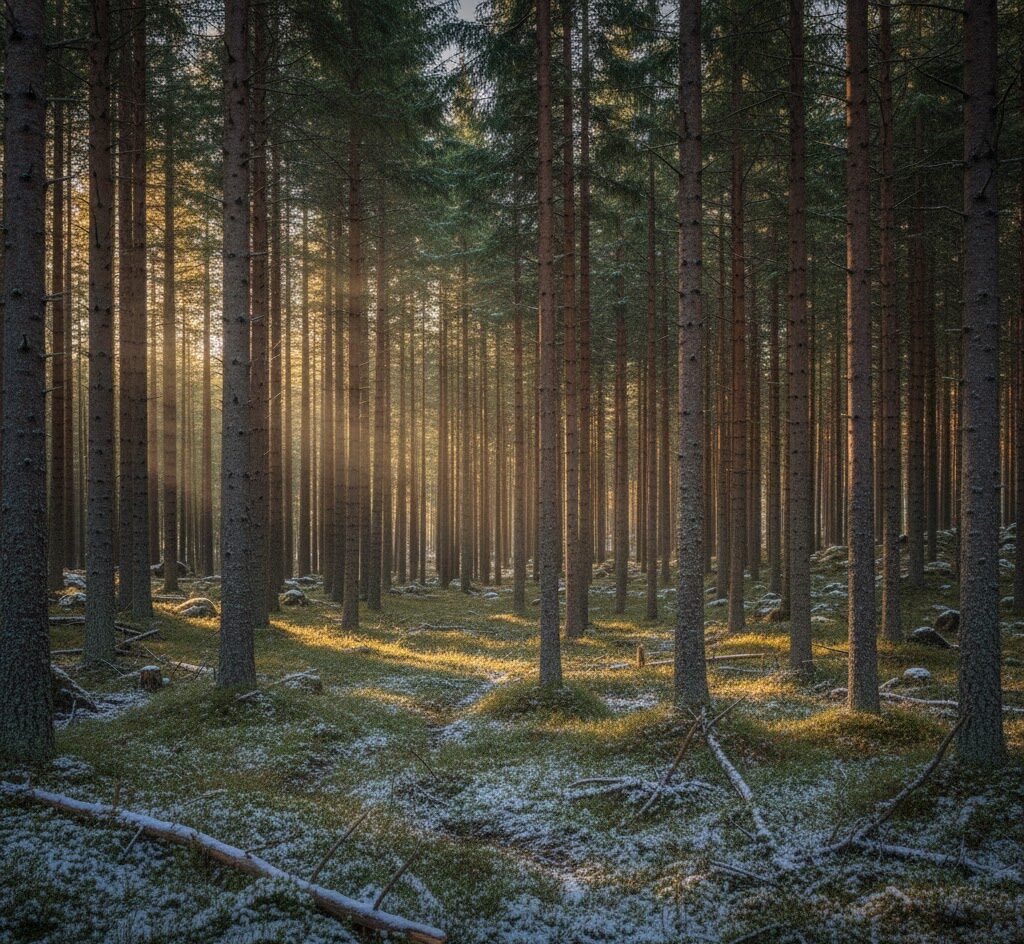
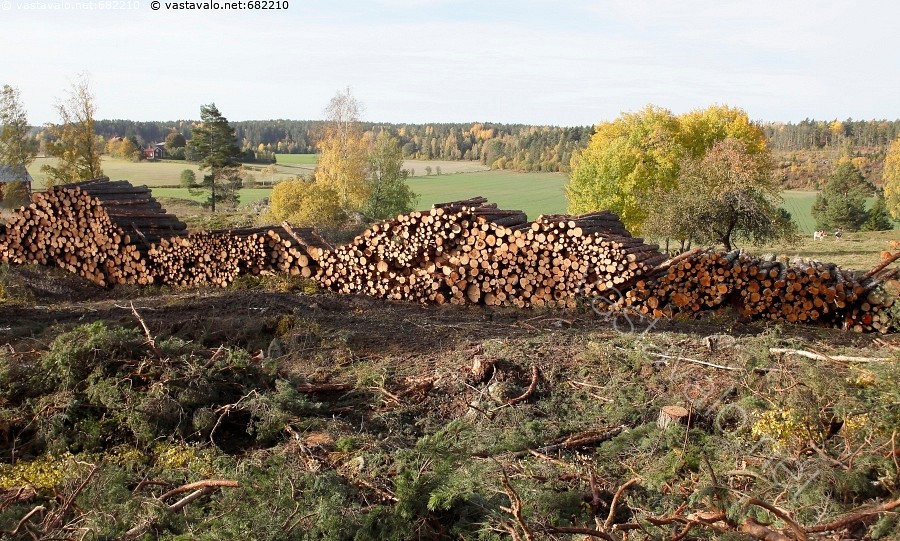
Finland is one of the most forested countries in Europe. The country has a total of 22,9 million hectares of forest, and a significant portion of harvested wood goes to energy use. In 2024, 74 million cubic meters of wood were cut, of which 15% was used for energy. This amounts to about 11.4 million cubic meters of wood burned in power plants, district heating, and private fireplaces.
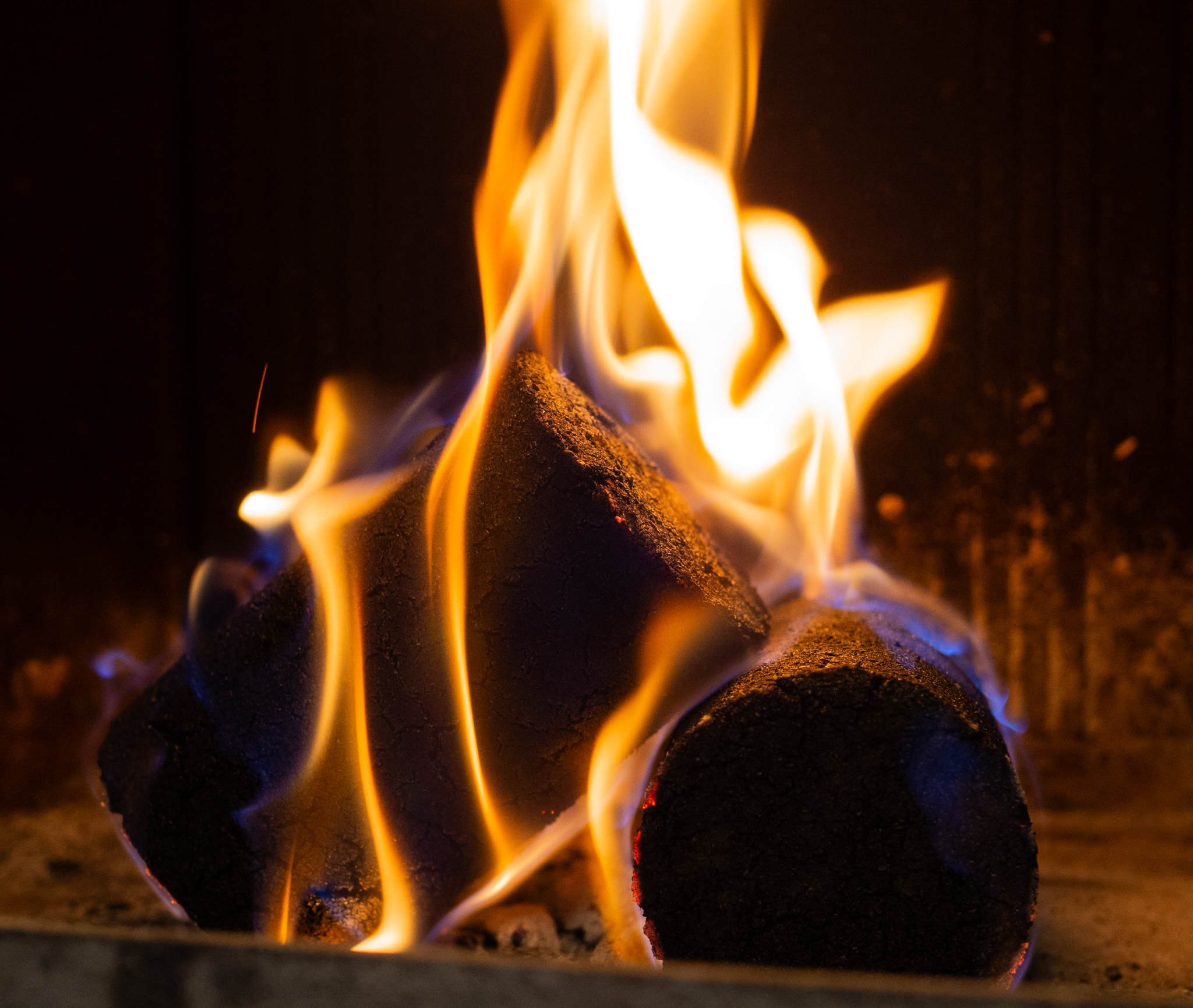
These numbers are huge, and I wonder: is it really necessary to burn all this wood? What if at least part of the heat could be produced without cutting down more trees for energy?
Coffee Lovers
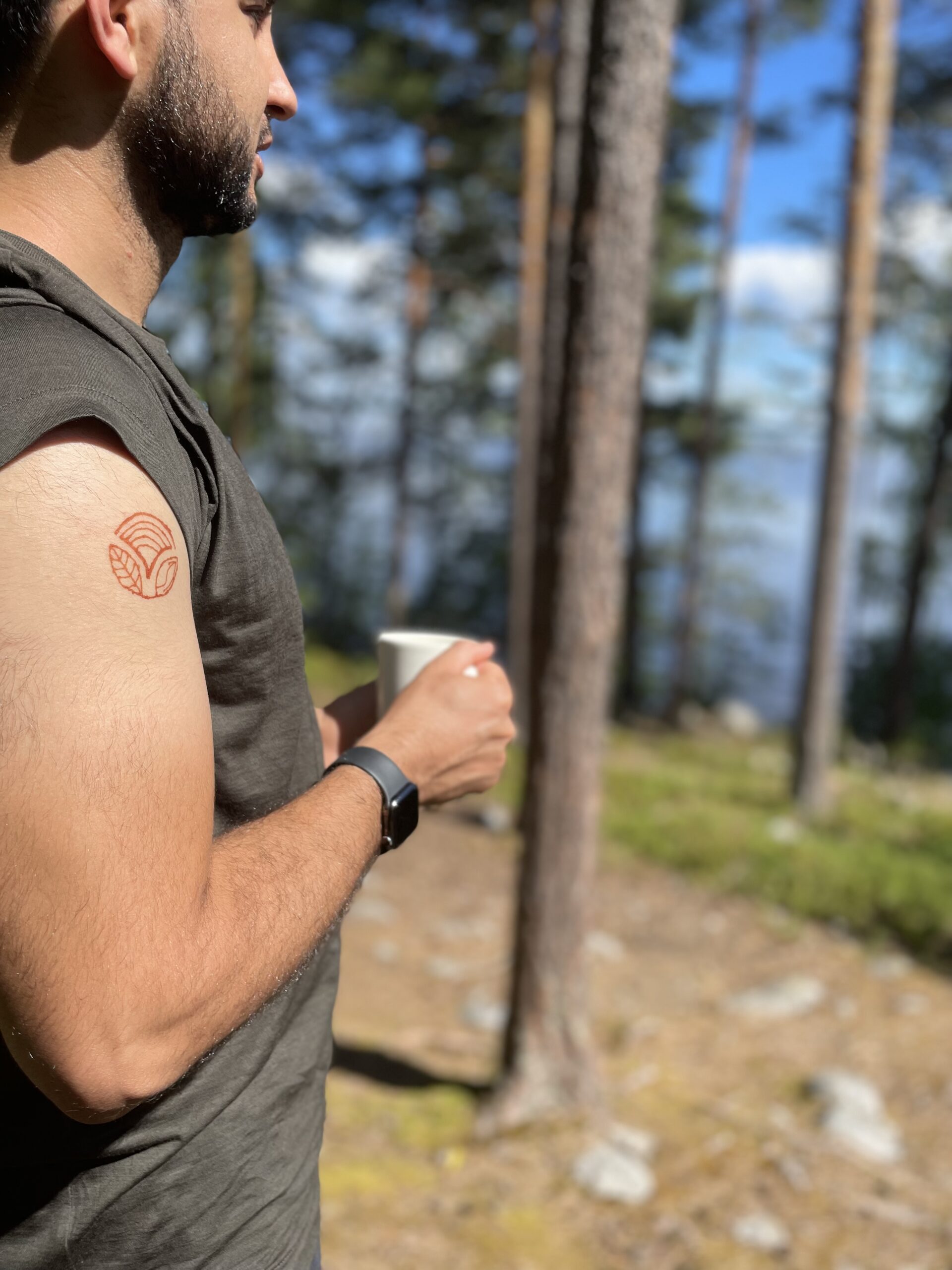
Finland is a clear leader in coffee consumption. Finns drink an average of 3.77 cups of coffee per day, consuming up to 12 kilograms of coffee beans per person per year.
That means millions of cups every single day. Each cup produces used coffee grounds, and currently, almost all of them end up in bio-waste. In practice, we are throwing away a huge amount of material with great energy potential. I’m also a big coffee lover myself and drink enough coffee to heat my own sauna (at least in theory), so I understand just how much energy can come from coffee grounds!
Why Kahviklapi?
In my home country, Finland is known for its high-quality wood. Whenever Finland was mentioned, its fine wood always came up – little else was known about the country. That’s why the idea of burning wood for heating initially felt contradictory. It seemed absurd to turn a material that is a valuable export and globally respected building resource into ashes. So why not use the wood for something that can last even a hundred years, and repurpose the used coffee grounds?
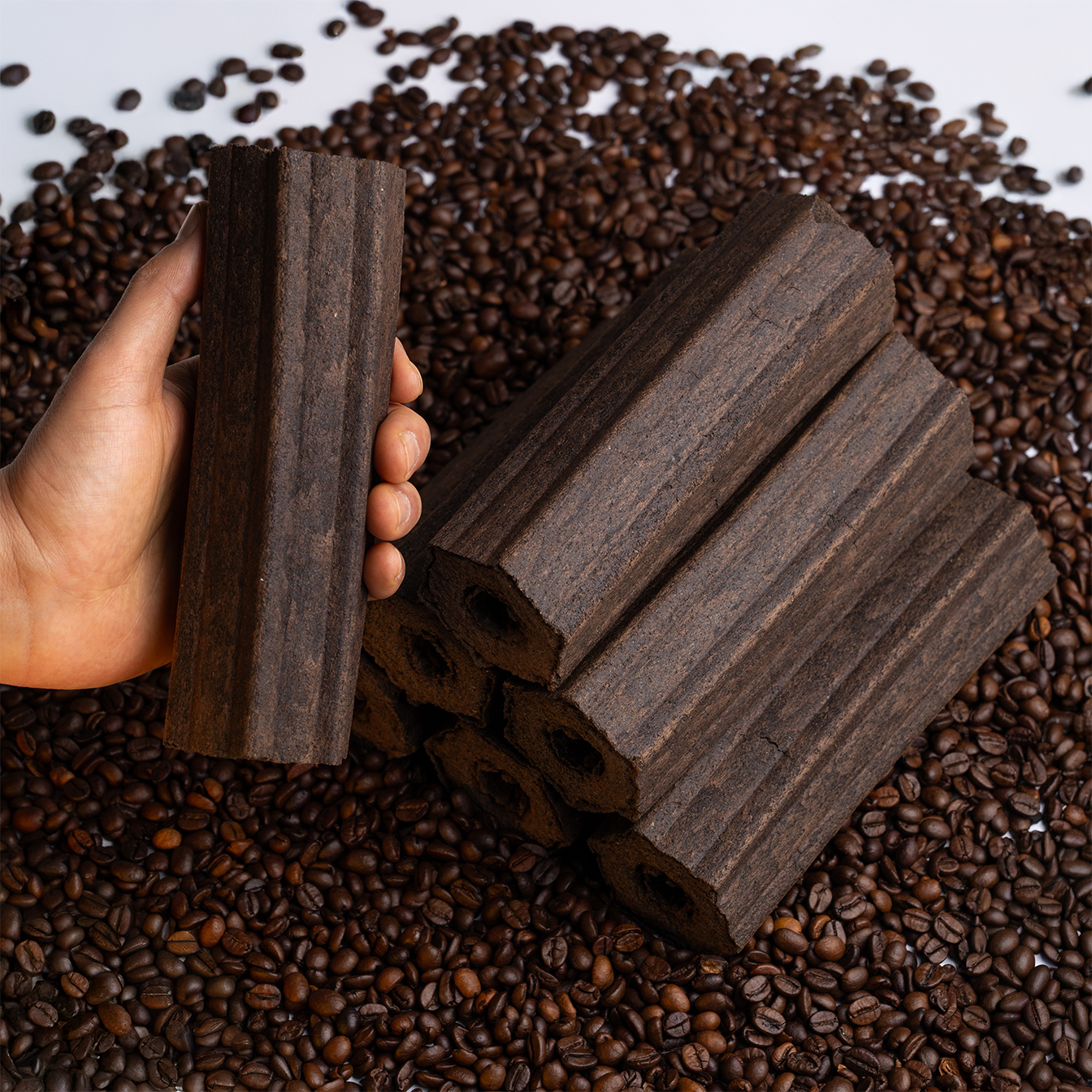
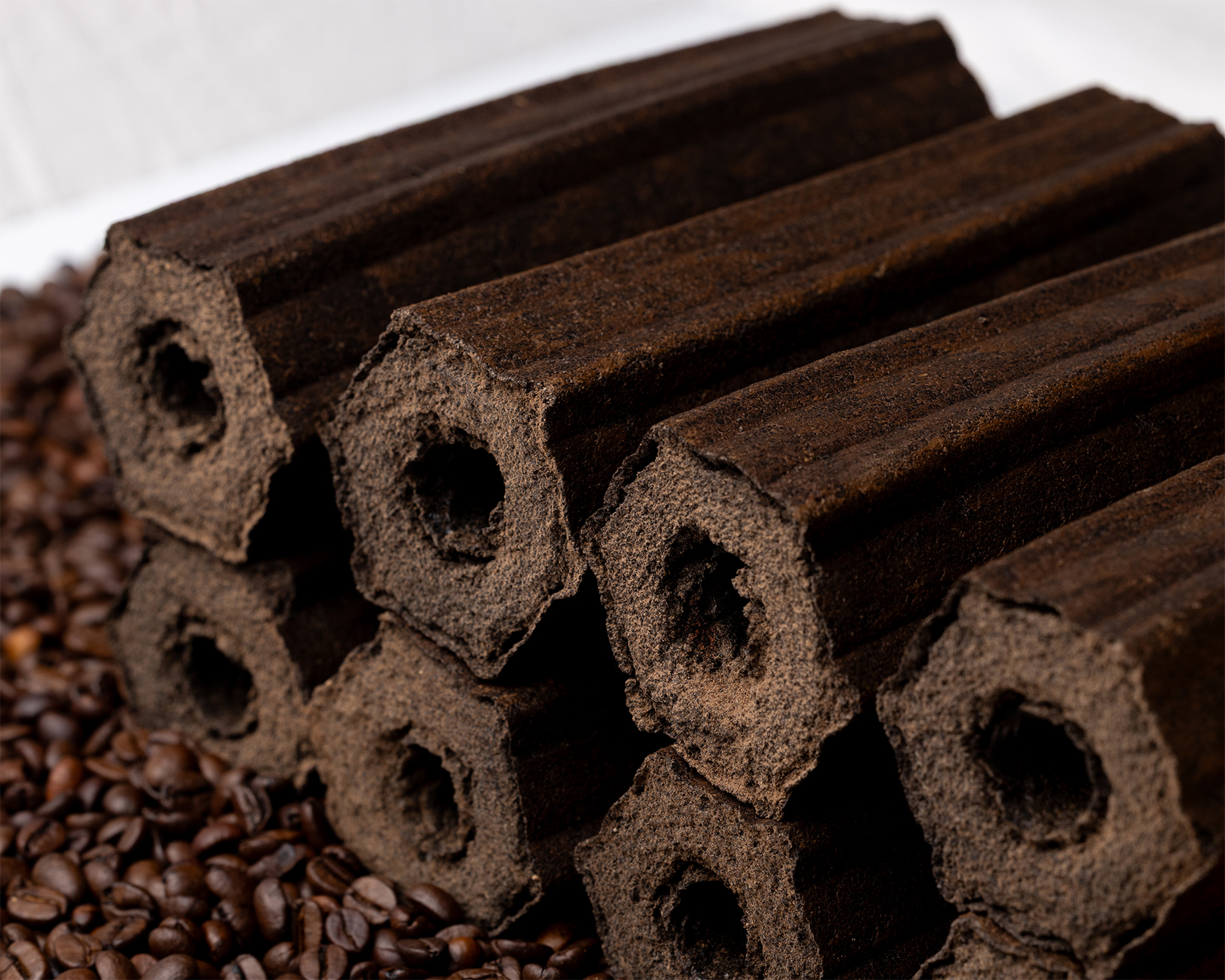
Coffee logs combine the reuse of already used coffee grounds with the preservation of valuable Finnish wood.
Interested in Kahviklapi as an alternative? You can read at least four concrete reasons to choose coffee logs over wood here.
– Bahez Karim, Founder of Paahtu